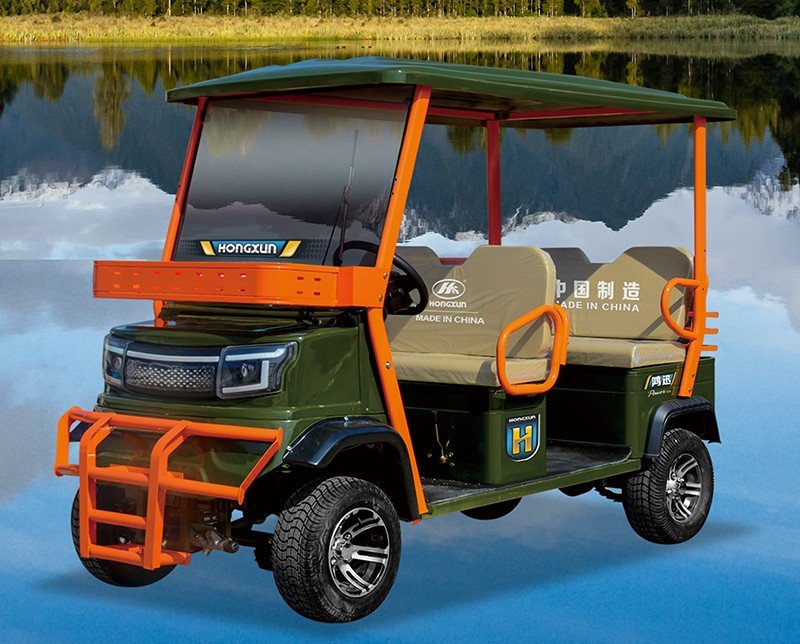
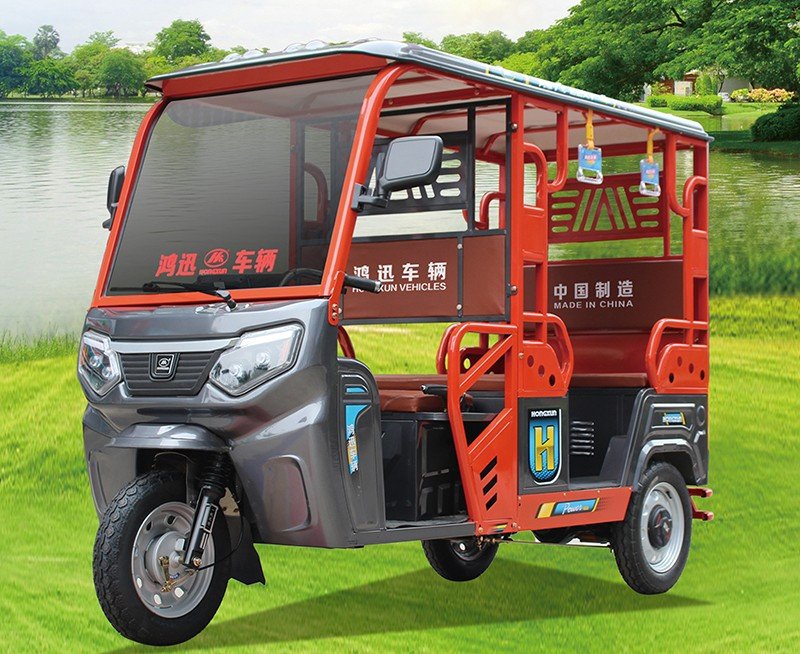
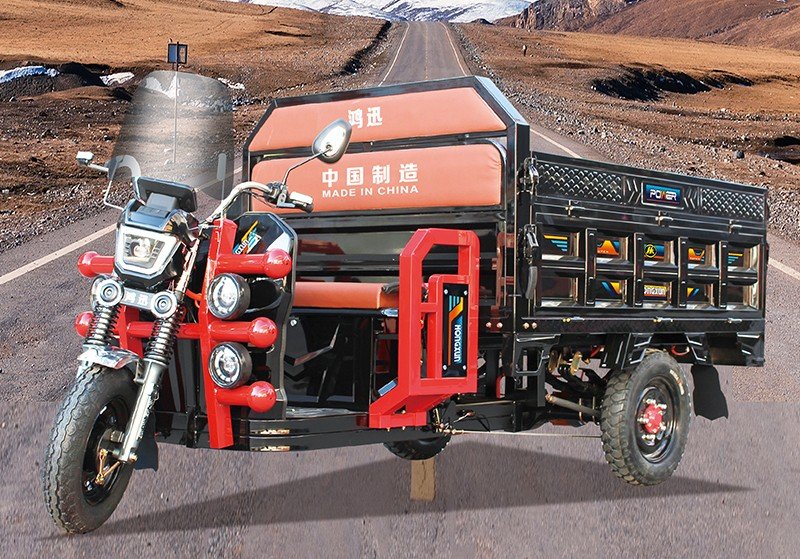
China’s “Little E-Donkeys” Go Global
China’s “Little E-Donkeys” Take Global Markets by Storm
Driven by mature manufacturing ecosystems, multi-dimensional market dividends, and aggressive brand upgrading, China’s electric two-wheelers and tricycles—affectionately known as “Little E-Donkeys”—are experiencing an unprecedented global boom. In 2025 alone, China exported over 26.7 million electric two-wheelers, generating $6.829 billion and establishing a robust wave of international mass adoption.
Full-Chain Synergy Powers Export Momentum
- Wuxi, Jiangsu (“China’s Electric Vehicle Capital”): Accounting for roughly one-third of the nation’s industry scale, Wuxi’s Xishan District houses over 600 complete-vehicle and component enterprises. It boasts a hyper-efficient “one-hour industrial circle” that integrates research, parts production, assembly, and testing. Last year, an average of 2.4 electric vehicles left Wuxi for the world every single minute.
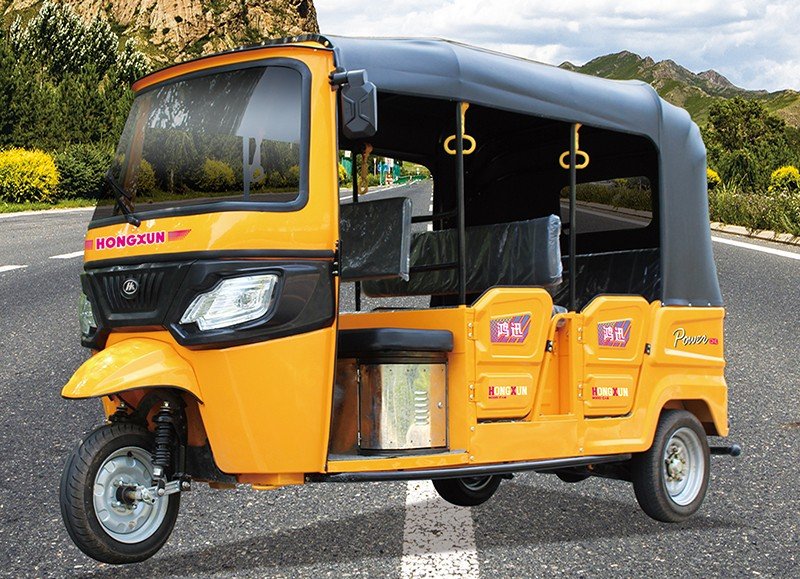
- Fengxian, Jiangsu (“China’s Electric Tricycle Capital”): As the country’s largest electric tricycle manufacturing base, Fengxian gathers over 1,000 complete-vehicle and supporting enterprises with a local parts supporting rate exceeding 90%. Backed by technical innovations like high-performance flat-wire motors, Fengxian’s self-operated electric tricycle exports reached 390 million RMB from January to May 2026, skyrocketing 99.3% year-on-year.
Dual Dividends Broaden Global Reach
- “Oil-to-Electric” Transition in Developing Regions: Driven by strict environmental policies, high fuel costs, and soaring traffic congestion in Southeast Asia (Indonesia, Thailand, Vietnam), Latin America, and Africa, economical Chinese electric vehicles have become the preferred alternative to traditional fuel-powered motorcycles. Local riders report that commuting by electric vehicle cuts travel costs to as low as one-tenth of gas-powered options.
- Significant Price Advantage and High Margins: While a standard electric tricycle sells domestically for 2,000 to 5,000 RMB, its price point in European and American markets leaps to 3,000 to 6,000 USD, creating a powerful international price-performance edge and expanding profit margins for exporters.
- Global Infrastructure Footprint: Major industry clusters have built comprehensive global networks. In Xishan alone, enterprises have established over 4,000 overseas retail stores across 49 countries, alongside 21 production bases and 29 overseas warehouses spanning 17 countries and regions.
Strategic Innovation and Brand Globalization
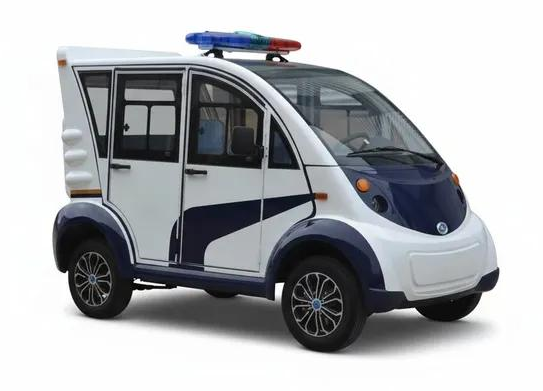
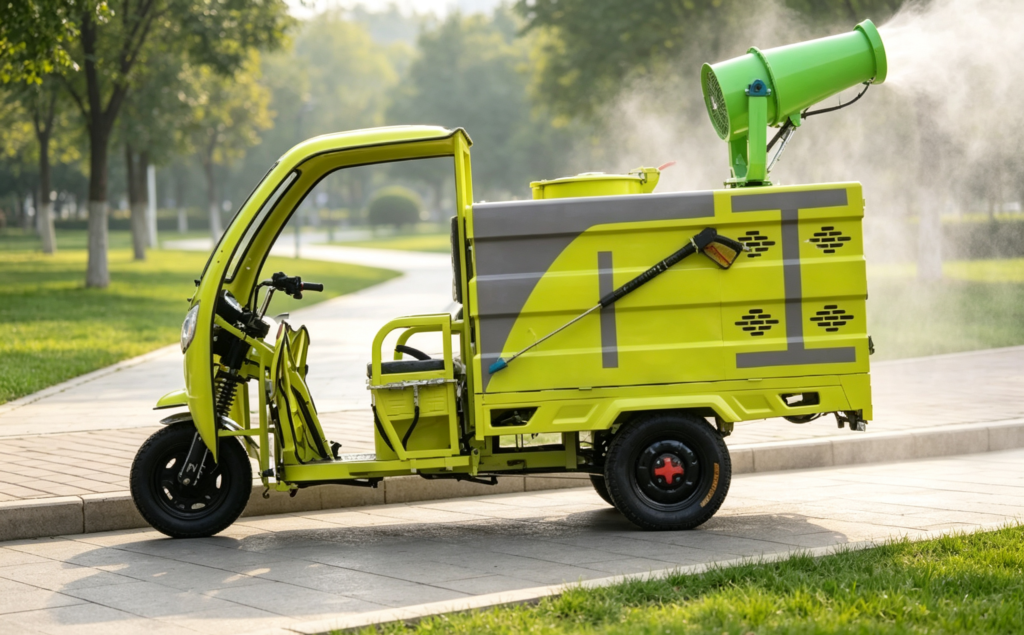
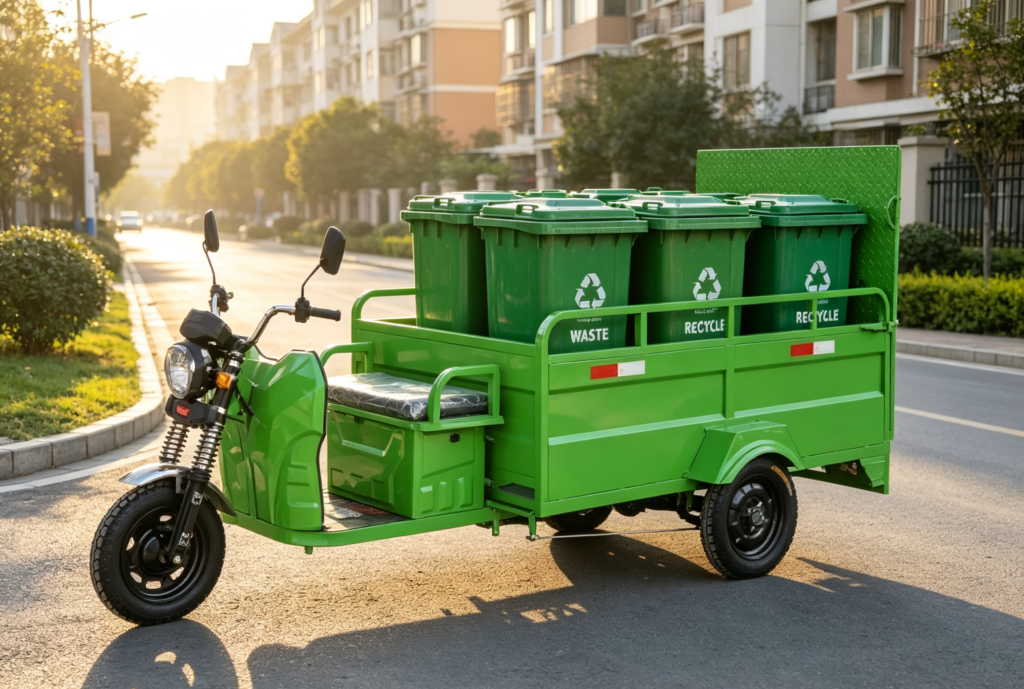
- Customized Regional Adaptation: Chinese manufacturers tailor products to distinct market demands—supplying high-durability, cargo-heavy utility vehicles for Southeast Asian and African working conditions, while offering sleek, smart, long-range electric motorbikes integrated with GPS for European urban commuting.
- Localization and Ecosystem Export: Industry giants like Yadea are transitioning from simple product trade to localized production by building manufacturing plants, parts hubs, and battery-swapping networks directly in overseas markets (such as Indonesia and Vietnam) to bypass trade barriers and shorten delivery times.
- Shift to Independent Branding: Moving away from OEM contract manufacturing, Chinese companies are accelerating global brand recognition through international exhibitions, multi-lingual digital marketing campaigns, and direct-to-consumer retail footprints.
What specific market or region are you targeting for electric vehicle exports?