Why Electric Tricycles Are Redefining Global Mobility and Last-Mile Logistics
Published on September 9, 2026
Urban mobility is undergoing a quiet yet profound revolution. Across crowded mega-cities in Europe, congested avenues in Southeast Asia, and sprawling suburban neighborhoods in North America, traditional fuel-powered vehicles are steadily giving way to smarter, cleaner alternatives. Among these, the electric tricycle—commonly known as the e-trike or electric trike—has emerged as a powerhouse of modern transportation. No longer viewed merely as niche utility vehicles or localized novelties, modern electric tricycles are sophisticated, high-capacity machines designed to solve real-world logistical and personal transit challenges. Combining the stability of three wheels with the efficiency of advanced electric propulsion, these vehicles are reshaping how people commute, deliver goods, and manage small businesses.

The Evolution of Modern Electric Tricycles
The journey of the three-wheeled electric vehicle has been marked by rapid technological maturation. Early generations of electric tricycles were often limited by heavy lead-acid batteries, weak motors, and rudimentary frames that restricted their use to short, flat-surface neighborhood trips. However, recent manufacturing and engineering breakthroughs have transformed the category. Today’s export-grade electric tricycles feature high-torque brushless hub motors, intelligent battery management systems, and robust hydraulic braking configurations.
The integration of lightweight yet durable lithium-ion and lithium-iron-phosphate battery packs has been a game-changer. These power sources provide extended driving ranges—often exceeding 50 to 80 kilometers on a single charge—while drastically reducing the overall weight of the vehicle. Furthermore, structural enhancements such as reinforced steel frames, independent front and rear suspensions, and ergonomic seating ensure that riders experience optimal comfort and safety, even when navigating uneven terrain or carrying heavy loads.
Driving Forces Behind Commercial and Last-Mile Adoption
One of the primary catalysts for the explosive growth of the electric tricycle market is the booming e-commerce and last-mile delivery sector. Traditional four-wheel delivery vans frequently struggle with urban congestion, high fuel costs, and stringent parking restrictions in densely populated districts. In contrast, cargo electric tricycles offer an agile, cost-effective alternative.
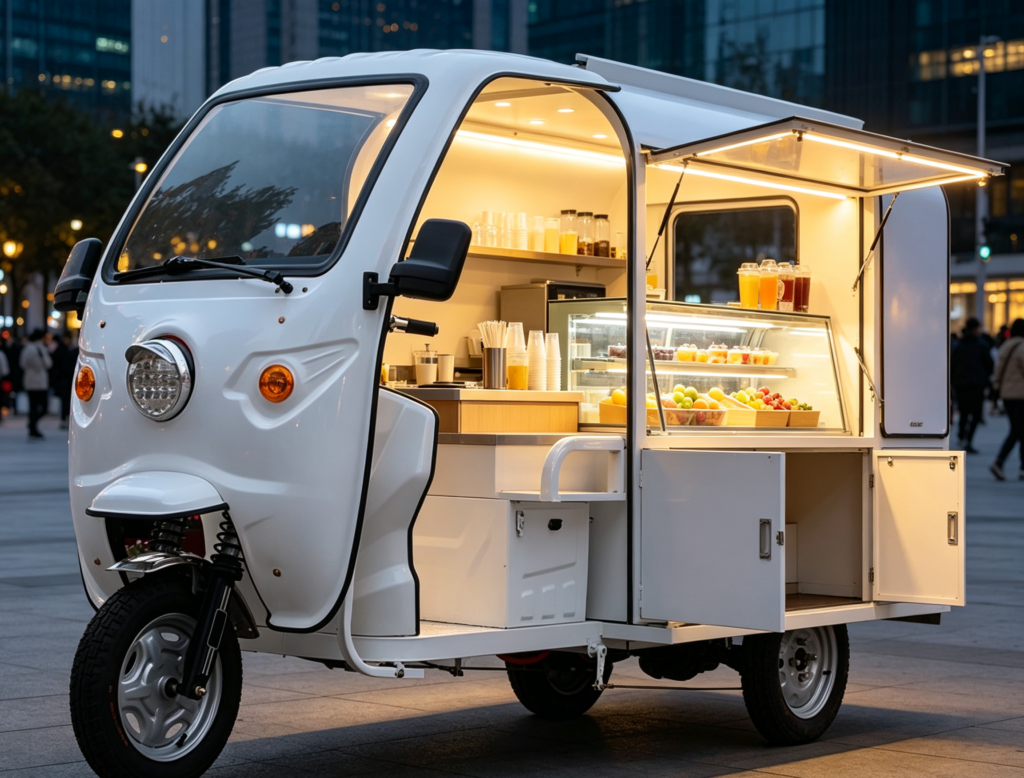
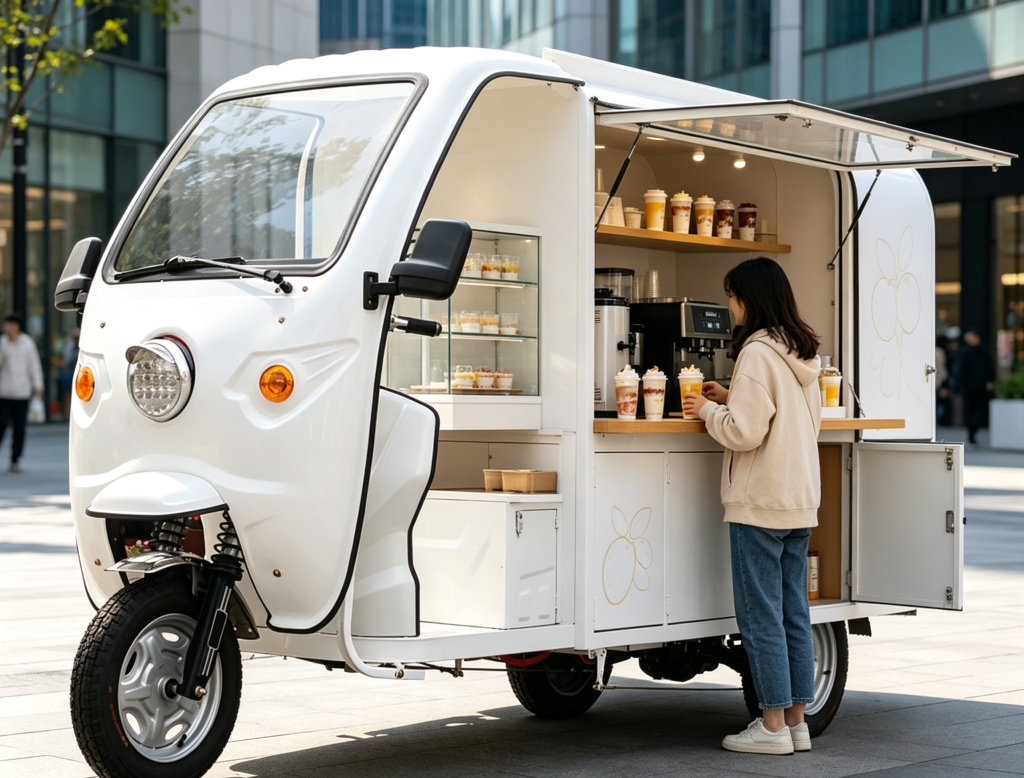
Logistics providers and small business owners are rapidly adopting heavy-duty cargo e-trikes because they can navigate narrow alleyways, bypass traffic bottlenecks, and park directly outside delivery destinations. With payload capacities often ranging from 300 to over 500 kilograms, these vehicles efficiently handle bulk packages, grocery shipments, and commercial goods. The economic advantage is striking: operational and maintenance costs for electric trikes are a fraction of those associated with gas-powered delivery trucks, delivering significant long-term savings for commercial fleets.
Personal Mobility, Inclusivity, and Lifestyle Utility
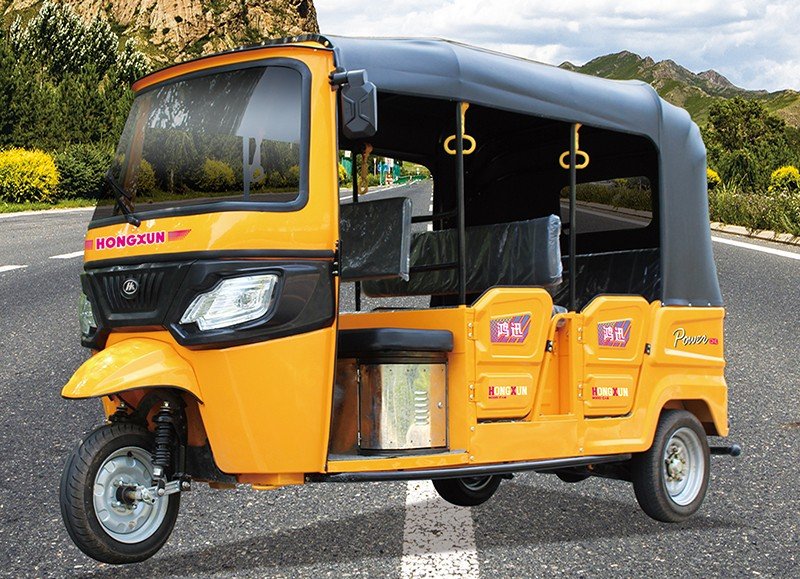
Beyond commercial logistics, electric tricycles have found a massive and enthusiastic consumer base in personal mobility. For urban commuters seeking an eco-friendly escape from automobile dependency, passenger e-trikes offer a practical solution. They provide a stable, balanced riding platform that eliminates the balancing learning curve associated with traditional bicycles or two-wheeled e-bikes.
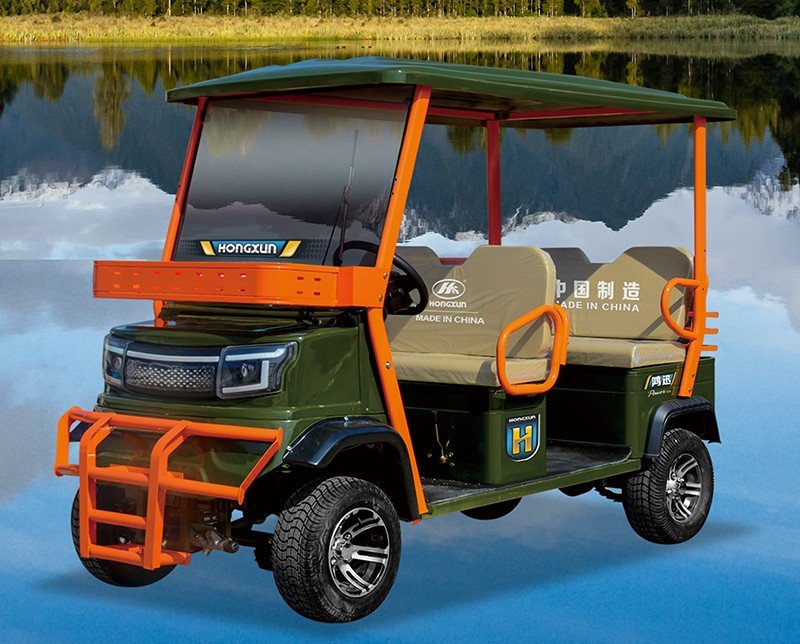
This inherent stability makes electric tricycles exceptionally popular among senior citizens and individuals with mobility considerations, granting them newfound independence for daily errands, social visits, and recreational park rides. Additionally, leisure and utility models equipped with spacious rear baskets or customized flatbeds make grocery shopping and neighborhood hauling effortless, serving as true car replacements for short-distance household tasks.
Global Market Trends and Manufacturing Excellence
The global appetite for sustainable transport solutions has turned the electric tricycle trade into a booming international market. Industry projections indicate that the market valuation will continue its aggressive upward trajectory over the next decade, propelled by supportive government policies, lower battery production costs, and continuous innovations in smart vehicle connectivity.
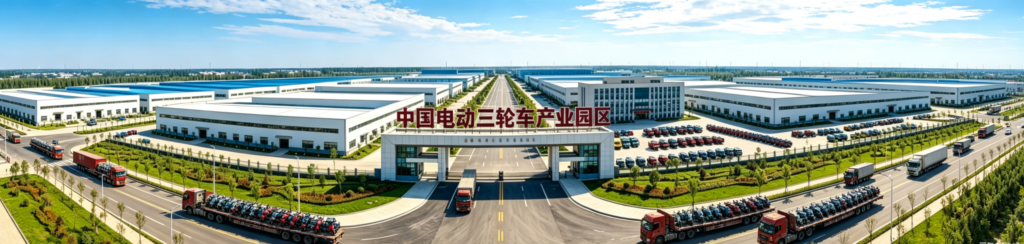
Behind this global supply chain are advanced specialized industrial clusters—such as those centered in specialized manufacturing hubs in Jiangsu—where engineering expertise meets rigorous quality control. Factories in these regions leverage decades of mechanical experience to produce customizable, durable, and competitively priced electric tricycles tailored to diverse international standards. Whether fitted with weather-resistant cabins for European winters or high-power climbing configurations for rugged terrains, these manufacturing ecosystems ensure that global buyers receive reliable, market-ready products.
Looking Ahead: The Future of Three-Wheeled Electrification
As urban centers become more crowded and environmental regulations grow stricter, the role of the electric tricycle in the global transport ecosystem will only expand. Emerging trends point toward deeper integration of IoT-enabled fleet management tools, real-time GPS tracking, and solar-assisted charging capabilities. By successfully bridging the gap between heavy commercial utility and lightweight personal convenience, the electric tricycle has cemented its status as an indispensable pillar of modern, sustainable mobility.